There is something powerful about looking at a basket of fresh produce and knowing you have the skills to make it last.
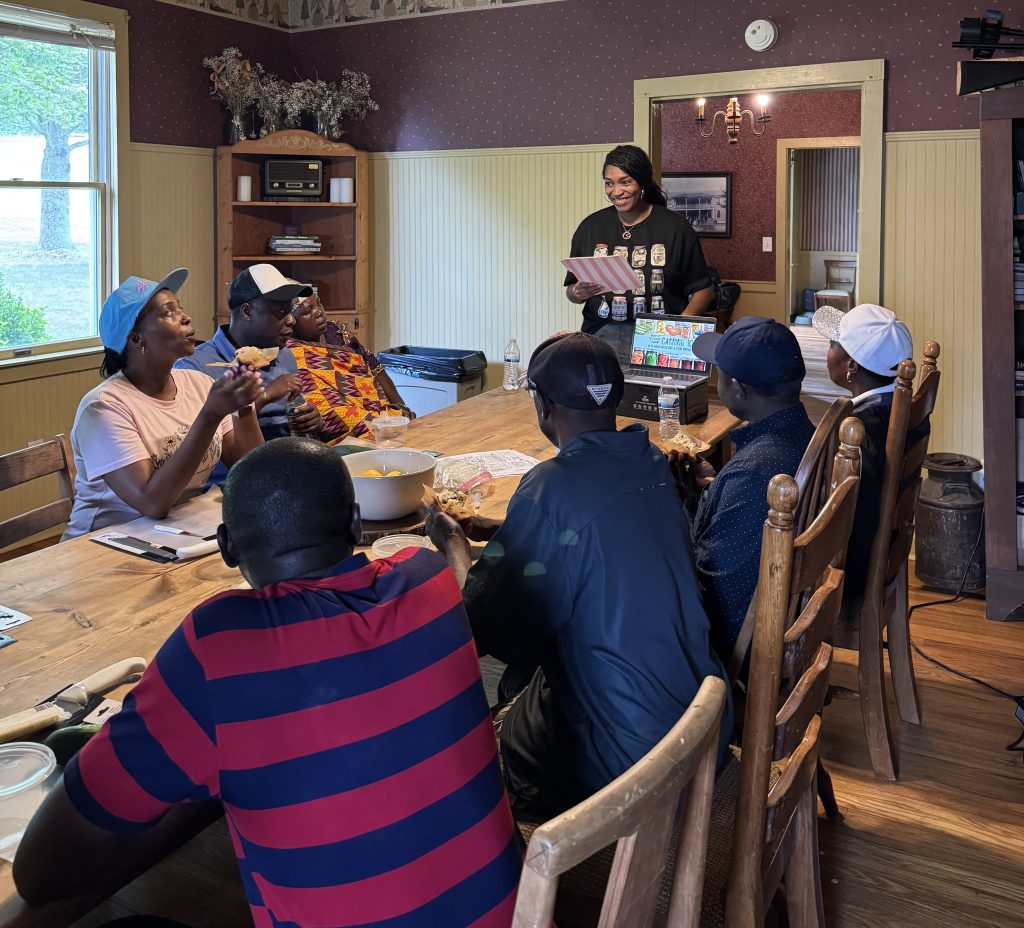
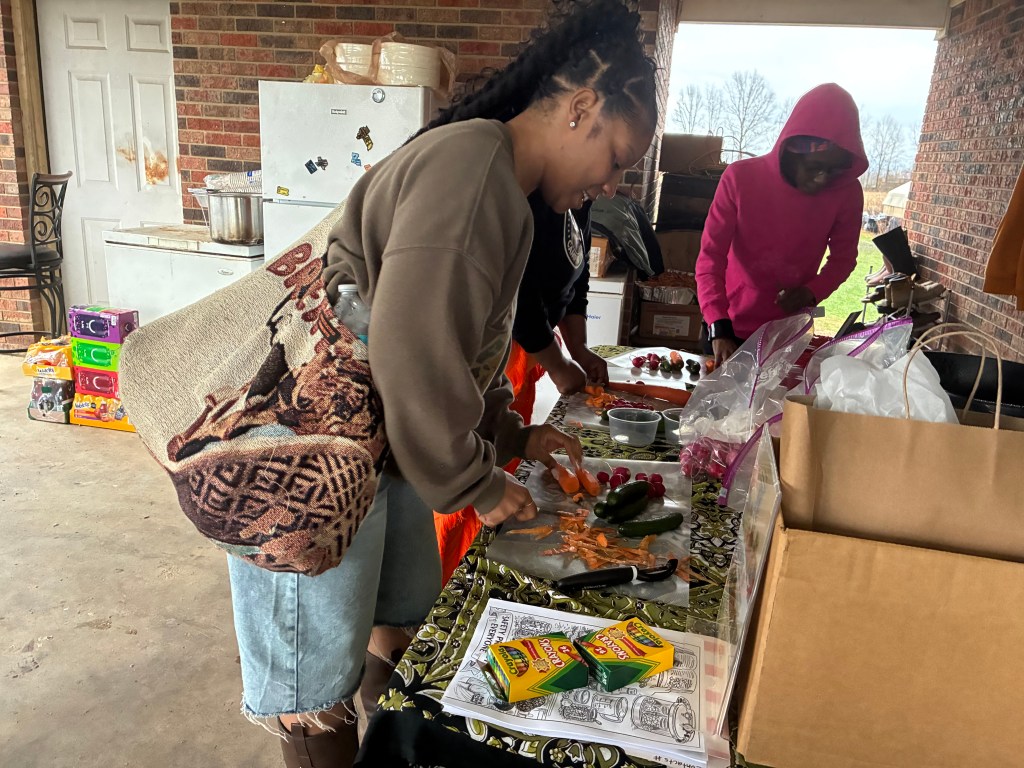
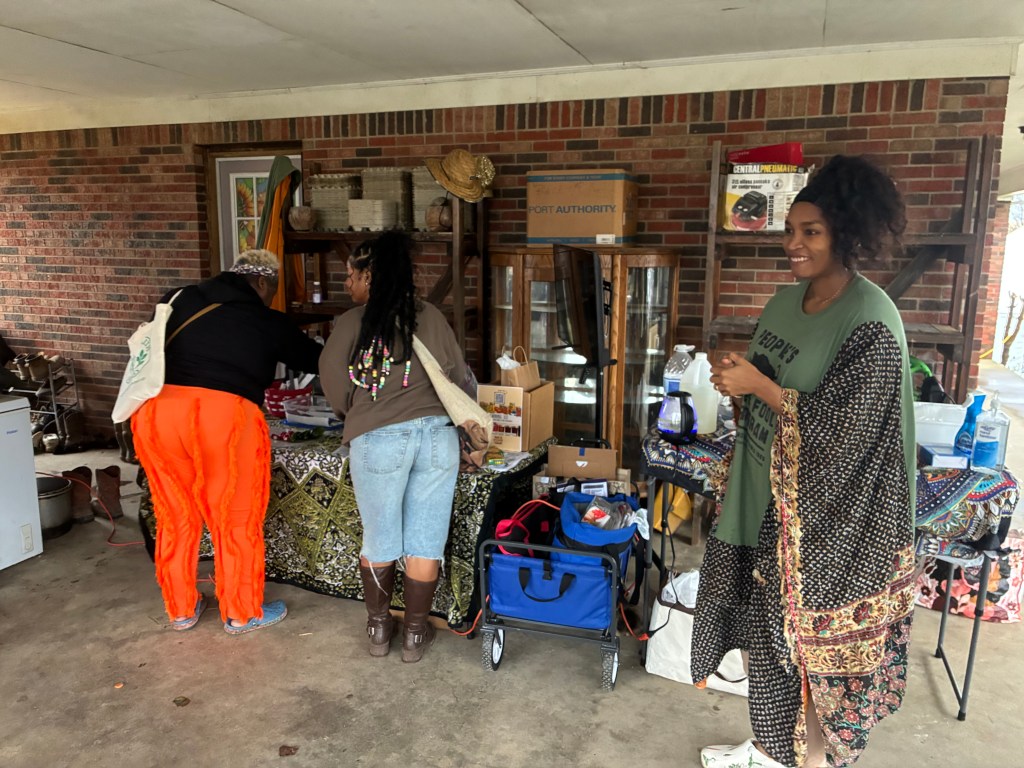
Earlier this year, I created Canning 101: Value-Added Processing & Food Sovereignty for the Kentucky Black Farmers Conference. Since then, I’ve shared it with New American community members in Scottsville and, more recently, with people at Food, Folks, and Stories at Ballew Farms in Richmond. I’m planning to bring out the jars/containers at least once more before this year ends.
Every time I teach this class, I’m reminded that food preservation is about much more than just putting food in cans.
Preservation as Power
Canning can seem intimidating. There are jars and lids, water baths, pressure gauges, processing times, acidity levels, and some serious food-safety warnings.
But once we understand why the rules exist, the process feels much more approachable.
Proper canning uses heat and sealing to keep food from spoiling. Research-based canning methods destroy or control microorganisms, remove oxygen, and create a strong vacuum seal that keeps air and microorganisms out of the jar. Home Food Preservation
One of the most important things to learn is that not every food is canned the same way.
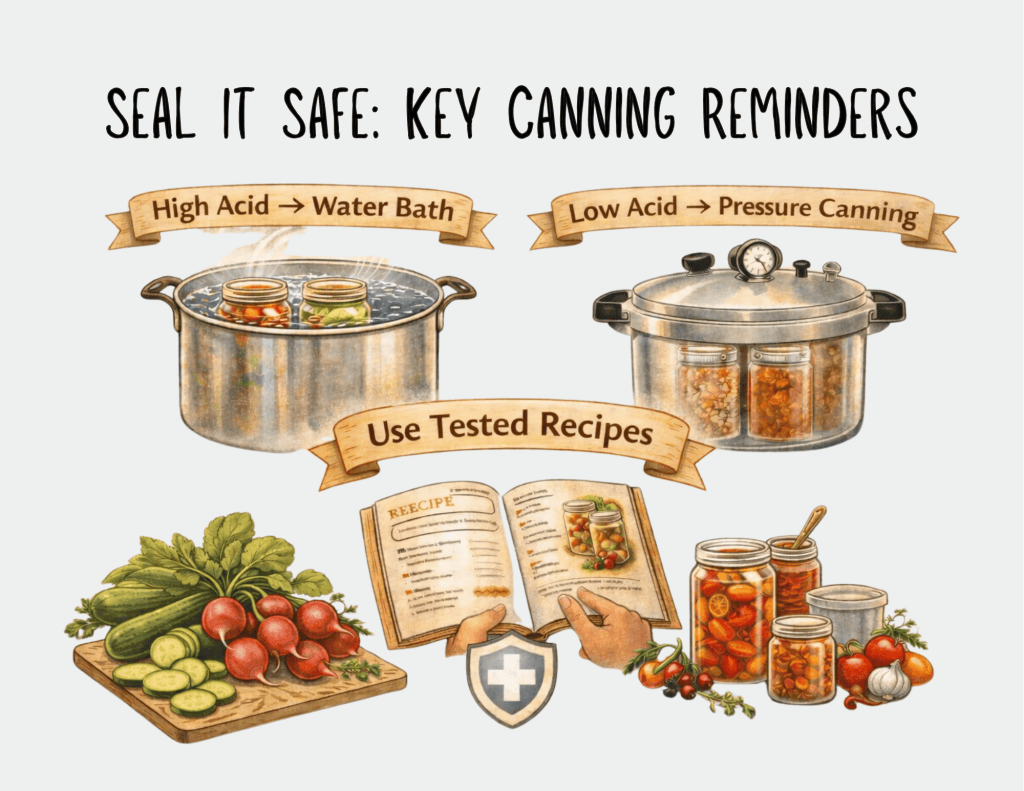
High-acid foods, which have a pH of 4.6 or lower, can usually be processed with a boiling-water canner if you use a tested recipe. This group includes many fruits, jams, jellies, and properly acidified pickled foods. Low-acid foods with a pH above 4.6, like most fresh vegetables, meats, and poultry, need pressure canning. A pressure canner reaches the 240 to 250°F temperatures needed to safely process these foods and prevent botulism. Home Food Preservation
That gives us a simple rule to remember:
High acid → water bath.
Low acid → pressure canner.
Always → use a tested recipe.
Safe Doesn’t Have to Mean Complicated
One of my main goals with this program is to make food preservation less intimidating while still keeping it safe.
Some traditional practices, such as oven canning, open-kettle canning, or just turning a hot jar upside down and waiting for the lid to seal, are not considered safe canning methods. A sealed lid by itself does not mean the food inside was processed safely.
The same warning applies if you change a tested recipe just because Grandma did it another way or someone online says their method has worked for 30 years. Canning is not the time to improvise.
Research-tested recipes consider much more than just acidity. Things like ingredients, food density, piece size, jar size, processing time, temperature, and even elevation all affect whether a product is safely processed. Home Food Preservation
My rule is simple: if we’re going to preserve our harvest, we should also protect the people who will eat it.
From Harvest to Opportunity
For growers, preservation also raises another question: What can this harvest become?
Cucumbers can become pickles.
Fruit can become jam.
Tomatoes can become salsa.
This transformation can help reduce waste, make a harvest last longer, and create new opportunities for farmers and food entrepreneurs.
Here in Kentucky, there are legal pathways for doing some of this work. Homebased processors can produce approved low-risk, shelf-stable products such as certain jams and preserves, breads, cookies, dried fruits and vegetables, granola and other products. Kentucky’s homebased microprocessing pathway allows qualifying farmers to produce certain higher-risk value-added foods—including pickled fruits and vegetables, salsa, canned tomatoes and pressure-canned vegetables—after completing required training, recipe approval and certification steps. Family and Consumer Sciences Extension
These rules vary from state to state, but the bigger opportunity is worth exploring. Preservation can help us get more value from the food we already grow.
Preserving More Than Food
Canning is a practical skill, but preservation can also be an act of food sovereignty.
When people know how to grow, prepare, and safely preserve food, they have more control over how they feed themselves, their families, and their communities. A harvest doesn’t have to disappear when the season ends. Extra food doesn’t have to go to waste.
And preservation carries knowledge forward.
Recipes, techniques, and food traditions connect generations. For Black communities, immigrant and New American communities, rural families, and many cultures around the world, preserving food has always been tied to survival, resourcefulness, and caring for each other.
There is power in being able to say:
I know how to grow this.
I know how to prepare this.
I know how to preserve this.
I can teach somebody else how to do it, too.
That’s a small piece of independence within a very large food system.
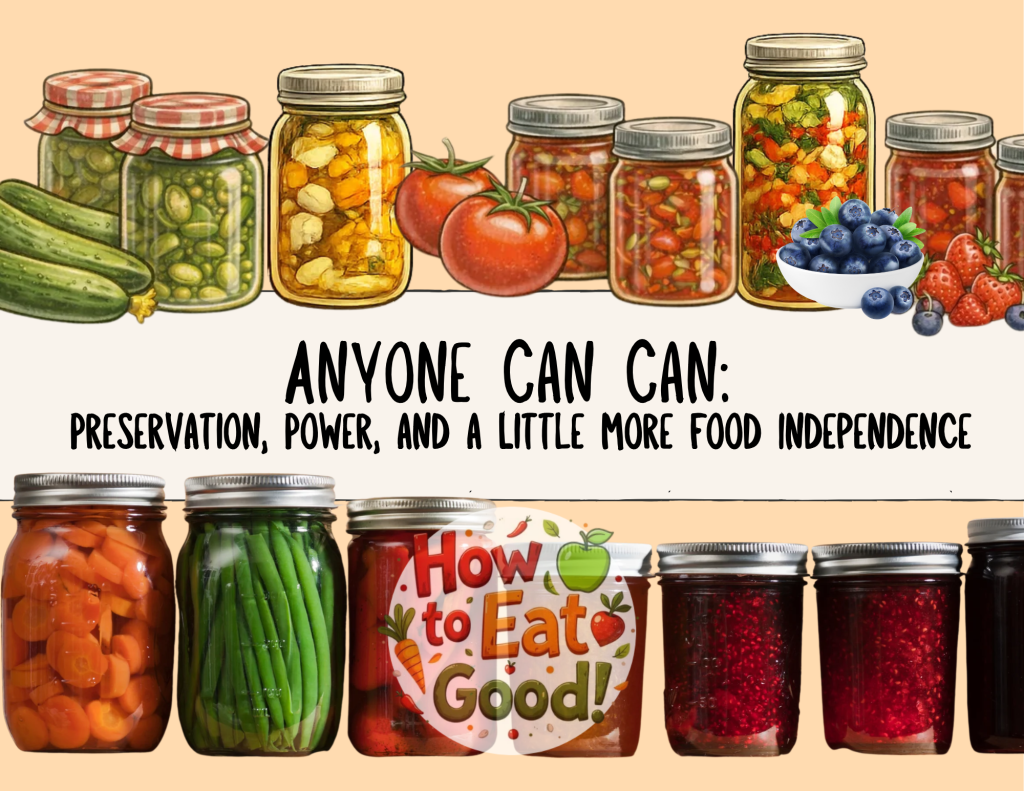
Anyone Can Can
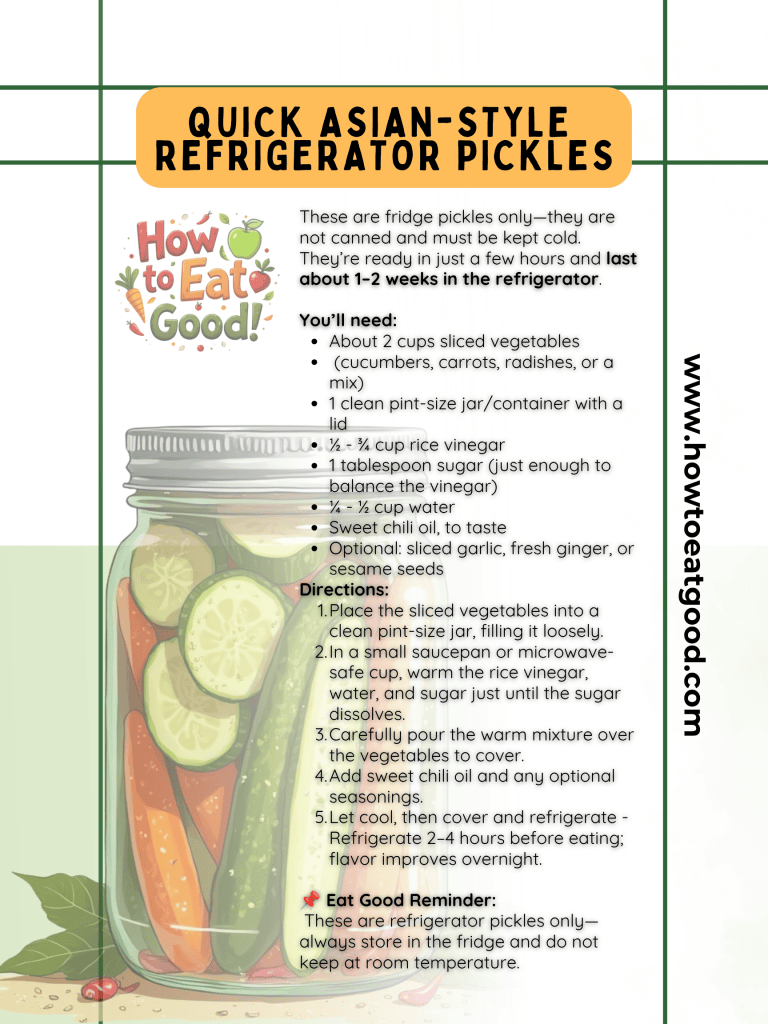
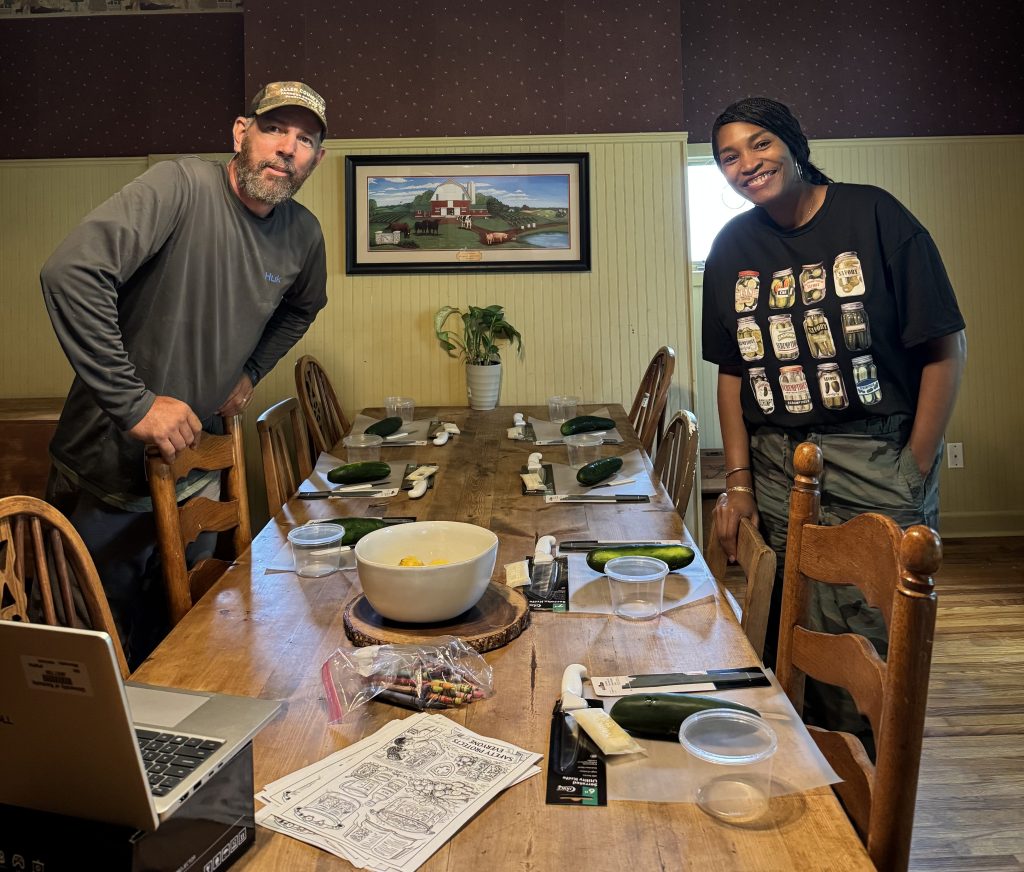
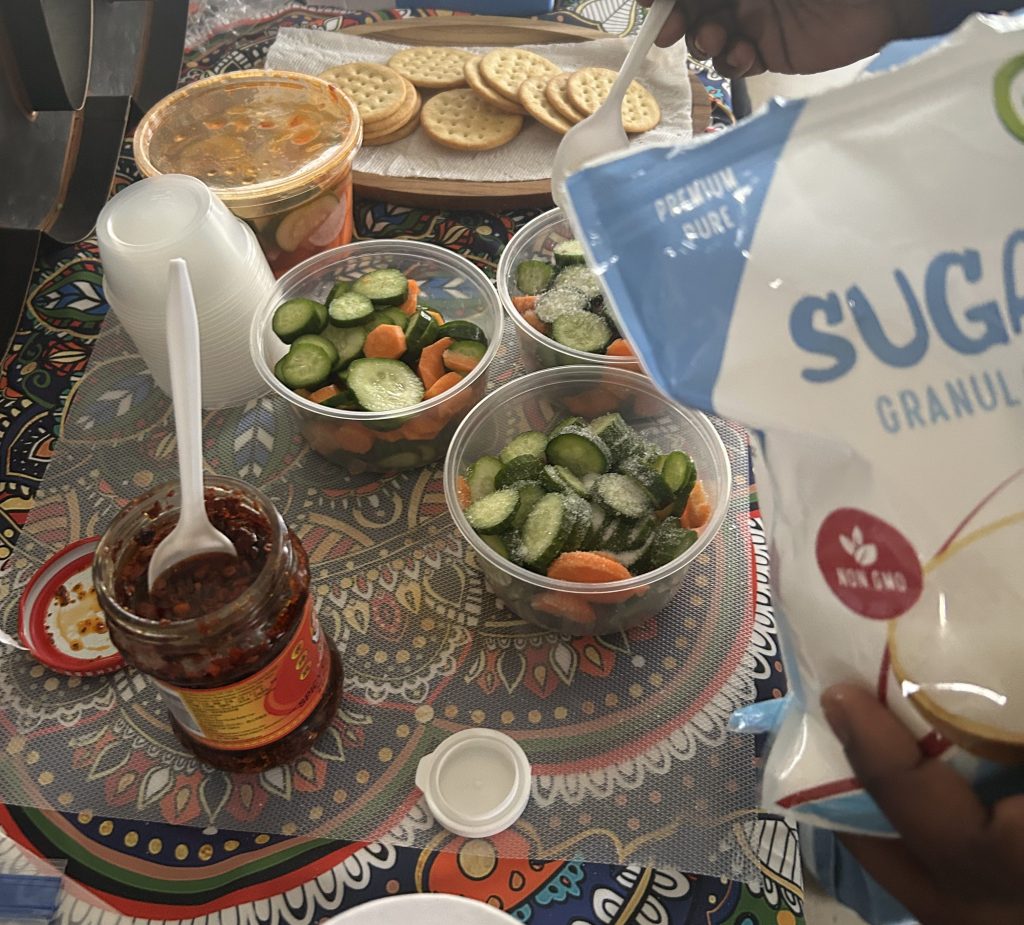
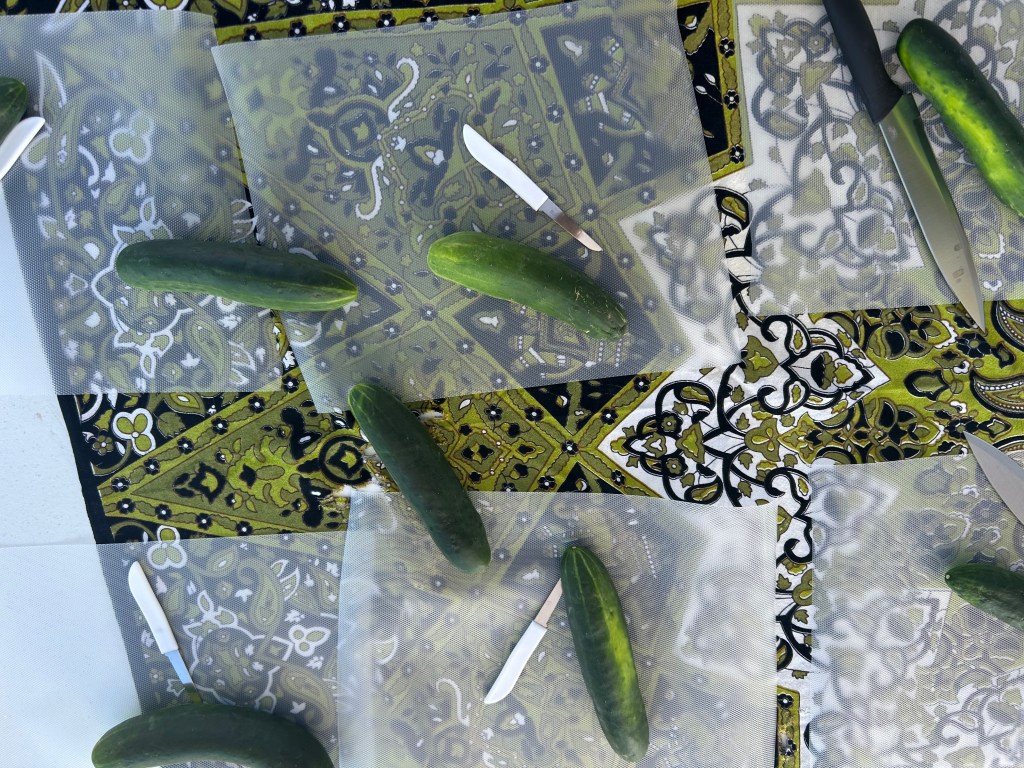
I appreciate ending these programs with something intentionally approachable: refrigerator pickles.
They aren’t shelf-stable and need to stay in the fridge, but they give beginners a chance to use fresh vegetables, vinegar, salt, sugar, and spices while learning how to make seasonal produce last a bit longer.
It’s a reminder that you don’t have to become an expert overnight.
Food preservation might seem intimidating at first, but with a few basic principles, the right equipment, tested recipes, and good information, anyone can learn to do it.
And maybe the first jar leads to another. Maybe a farmer finds a new use for part of their harvest. Maybe someone preserves a family recipe. Maybe someone teaches their child a skill that was almost lost. That’s when we’re preserving a whole lot more than food.
Want to explore the presentation?
View Canning 101: Value-Added Processing & Food Sovereignty
For research-tested home preservation guidance, I recommend the National Center for Home Food Preservation and University of Kentucky Cooperative Extension’s Homebased Processing and Microprocessing resources