

My name is LaToya Drake. I am a nutrition and food educator, community garden organizer and longtime public servant. I love food y’all. I love growing food, I love talking about food, I love teaching others about food, and I especially love eating food. The purpose of this blog is to explore my personal connection with food as a strive to eat a nutrient dense and healthy diet that is increasingly locally sourced, sustainable and home grown. I suppose this would be current my definition of soul-food.
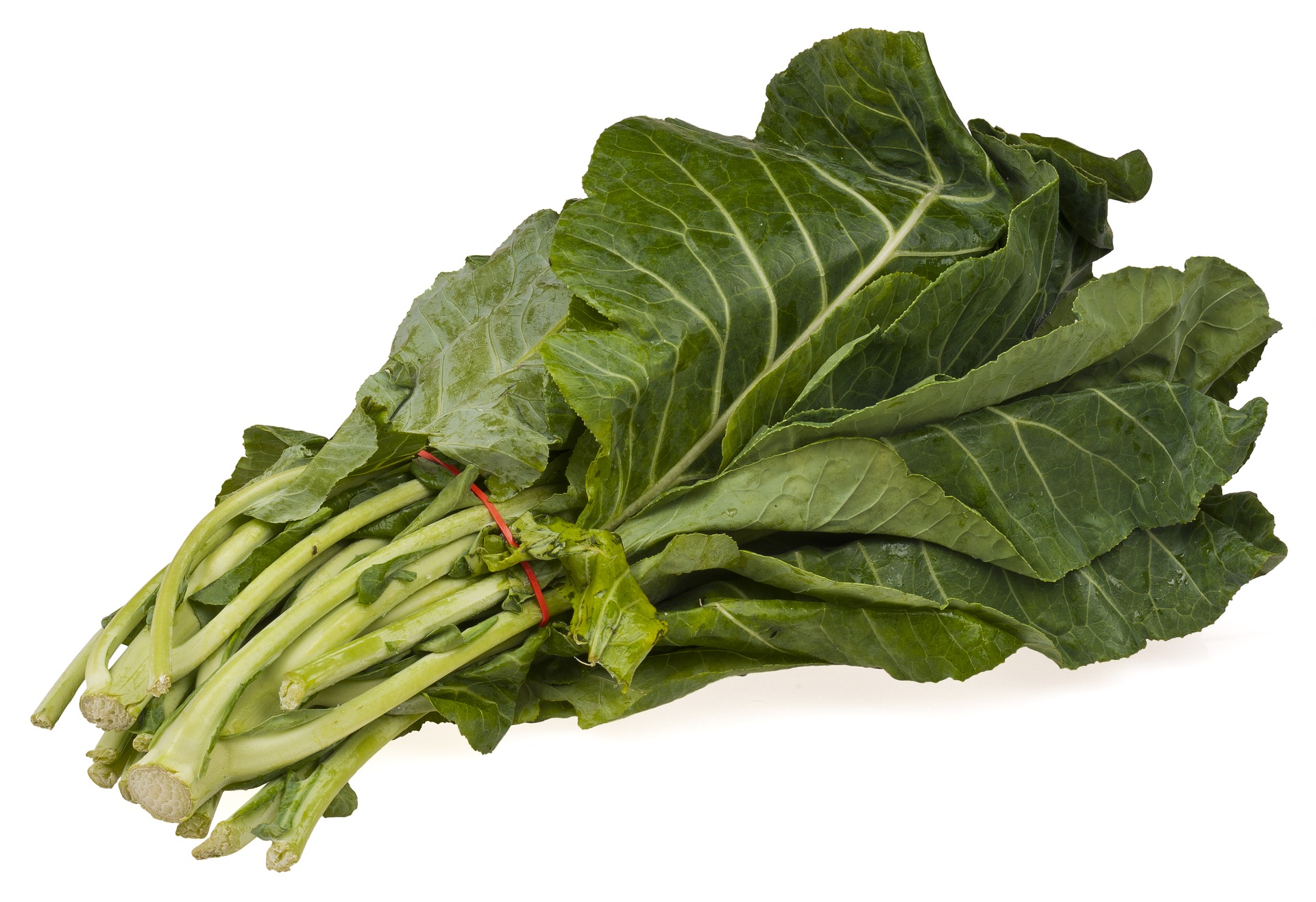
June is soul-food month! When I think of what soul food stereotypically is, I think of macaroni and cheese, fried chicken, collard greens, chitlins, hot water cornbread, and ham hocks amongst other hearty and flavorful foods. I think of the best memories and childhood holidays being stuffed at my Nanny’s. Traditional soul-food although tasty is not necessarily the most healthy at times.
The African American Registry explains:
“Soul-Food is a term used for an ethnic cuisine, food traditionally prepared and eaten by African Americans of the Southern United States. Many of the various dishes and ingredients included in “soul food” are also regional meals and comprise a part of other Southern US cooking, as well. The style of cooking originated during American slavery. African slaves were given only the “leftover” and “undesirable” cuts of meat from their masters (while the white slave owners got the meatiest cuts of ham, roasts, etc.).”
Original soul-foods were of low quality and low nutritional value however enslaved black folks made the best of it and turned lesser products into dishes that are the highlight of black celebrations unto this day. What my African and Native ancestors had was a connection with the source of their food. Whether they were scraps, grown, gathered, or hunted, soul-foods are known to be perfectly seasoned and rich in flavor.
As I have rediscovered and reconnected with food my definition has changed. I increase my ability to grow food and prepare it more healthfully. Soul-food connects me to my Black American and African roots. It also connects me to my local community. As I try to eat more sustainable and locally sourced foods I am more aware of where my food comes from and the labor of love and sacrifice involved in growing, raising and harvesting our most necessary life resources. I have a greater and more mindful appreciation of the animals and farmers that feed me and like my ancestors, am more equipped to feed myself.
What’s good for the soul is good for the whole. Let us review and discover together the history of soul-food, the ramifications of the daily ingestion of these originally celebratory foods, and how we may rediscover the soul-food flavor profiles in healthier formats.
 How to Eat Good!
Bravo! Can hardly wait for the next installment. So good to read someone speaking from various sides of the soul food experience, reflecting on its meaning historically, nostalgically and from a health and nutrition perspective.
LikeLike
Thanks so much for the feedback Diane!
LikeLike
Great beginning!
LikeLike