Why Community Supported Agriculture Matters for Local Food, Families, and Farmers
If you’ve ever wondered where your food really comes from, or how to make sure local farms stay strong, Community Supported Agriculture (CSA) is one of the best answers. CSAs connect families directly to farmers, help strengthen local food systems, and build healthy eating habits—especially during the spring and fall growing seasons.
What Is a CSA?
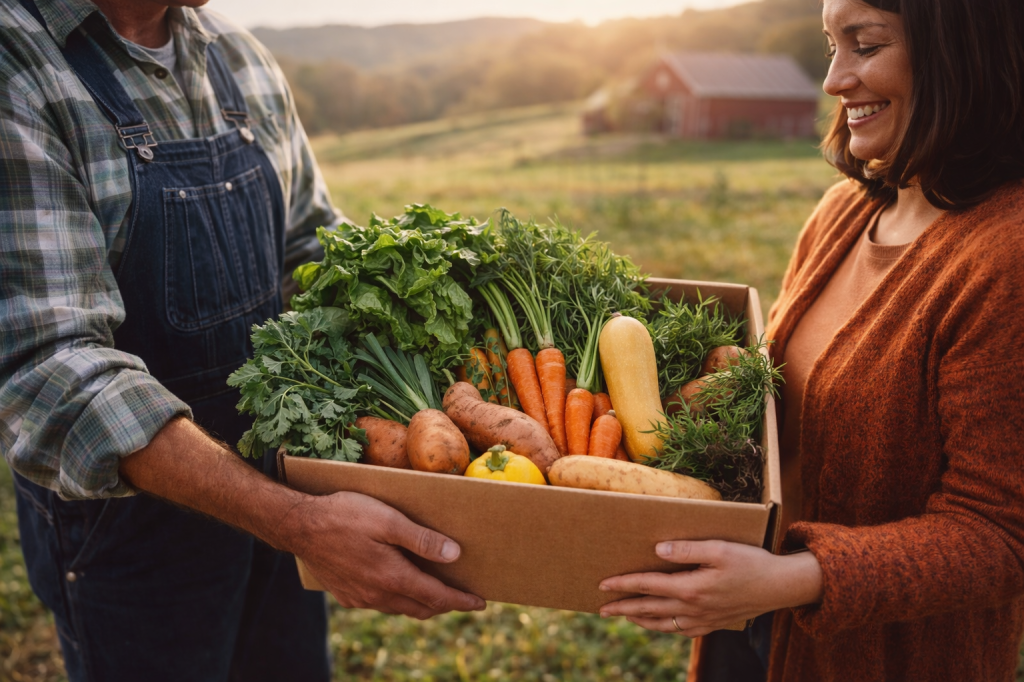
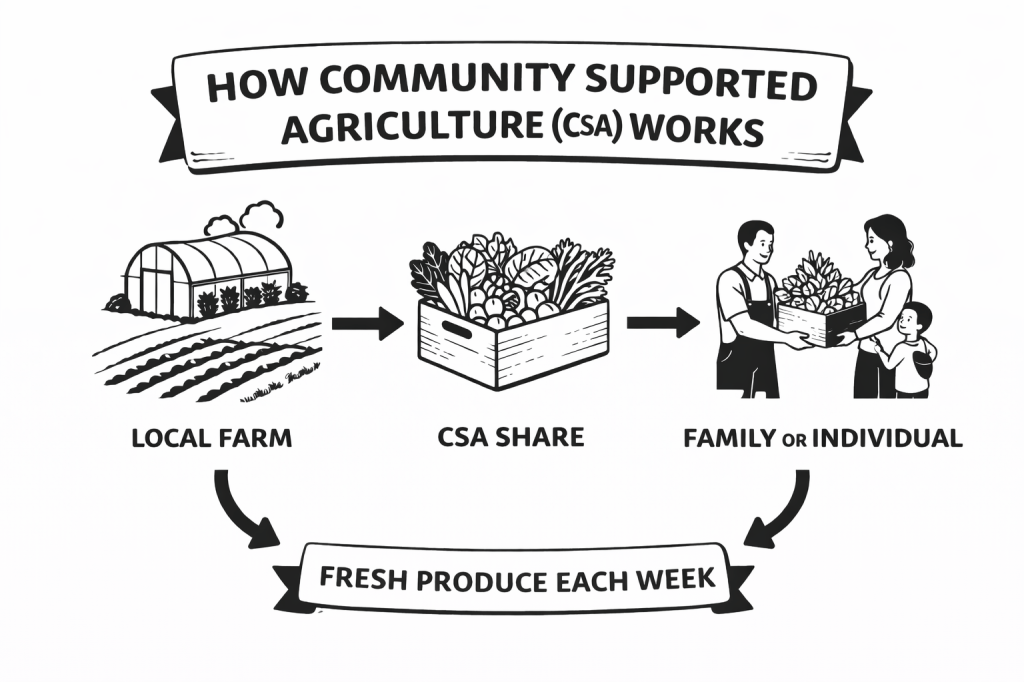
Community Supported Agriculture (CSA) is a partnership between local farms and families like yours. When you join a CSA, you buy a “share” of a farm’s harvest at the beginning of the season. In return, you get a weekly box of fresh, seasonal produce (and sometimes eggs, dairy, meat, or flowers) throughout the harvest period.
This relationship helps farmers plan and manage their crops more confidently, and it gives families access to produce straight from the field.
Key benefits of CSAs:
- Fresh, seasonal produce each week
- Direct support for local farms
- A chance to learn about real food and how it grows
- Often higher fruit and vegetable consumption by families who participate
CSA Weeks in Kentucky: Spring & Fall
Kentucky celebrates CSA twice each year:
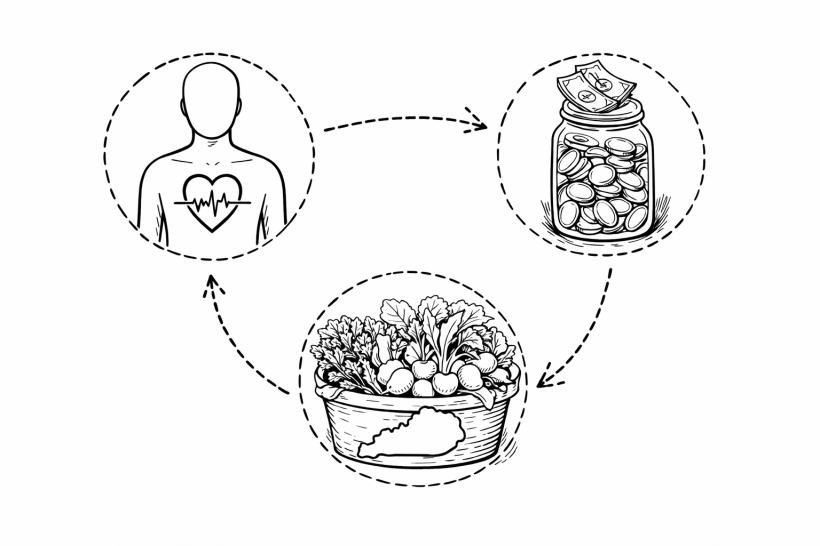
- Spring Community Supported Agriculture Week is held annually in February. This is a time to spotlight CSA farms, help families sign up early, and raise awareness about seasonal eating.
- Fall Community Supported Agriculture Week is held in September and highlights harvest season, celebrating the bountiful produce and partnerships between farmers and members.
Both weeks are great reminders that joining a CSA is about living with the seasons—not just buying groceries.
Why CSA Is Good for You and Your Community
1. Better Access to Fresh Food
CSA shares bring fresh fruits and vegetables to your kitchen—often before they hit store shelves. For families trying to eat more seasonally, CSA is like a weekly celebration of real food.
Research shows that participation in CSAs is linked to increased produce consumption and improved food security for families because members receive a reliable supply of healthy food.
2. Support for Local Farms
When you purchase a CSA share, your money goes directly to farmers at the beginning of the season. This early support helps farmers:
- Plan for the growing season
- Buy seeds and supplies
- Manage labor and production costs
That financial stability makes a big difference for small and mid-sized farms in Kentucky.
3. Food That’s Fresh, Seasonal, and Flavorful
CSA boxes usually include vegetables that are actually in season, meaning:
- Peak flavor
- More nutrients
- Less time in transit than supermarket produce
Plus, you may try new vegetables you’ve never cooked with before—turning CSA into a learning experience as well as a food source.
Overcoming Barriers & Making CSA Work for You
Some families hesitate to join CSAs because they worry about cost or unfamiliar foods. Here are ways people make CSA accessible:
- Cost-Offset Programs: Some universities and food organizations are researching ways to reduce CSA costs through subsidies or incentive programs.
- Sharing Shares: Families sometimes team up, splitting produce and costs.
- Recipe Swaps and Learning: Many CSAs send recipes or host cooking demos to help members make the most of weekly boxes.
Every CSA is different, so asking questions before you sign up helps you find the one that fits your family’s needs.
How to Join a CSA in Kentucky
- Find a farm near you:
Look for farms offering CSA shares on Kentucky Proud, local extension pages, or community food networks. - Ask before you sign up:
Find out what’s included, how often you get produce, and pick-up locations. - Commit to the season:
CSA is a partnership—so being ready to cook, share, and explore new foods makes the experience even richer. - Spread the word:
Share your CSA experience with friends, neighbors, and other families to help grow the local food community.
Seeds of Change Starts with CSA
Joining a CSA isn’t just about eating fresh vegetables—it’s about strengthening relationships between farms and families, supporting Kentucky agriculture, and growing a community rooted in care and food knowledge. Whether it’s Spring CSA Week in February or celebrating fall harvest, CSA invites all of us to eat with the seasons, support local farmers, and enjoy meals that really taste like where we live.
To find out more about CSA(Community Supported Agriculture)in Kentucky, join us in the group on Facebook!
References & Additional Resources
- Kentucky Proud – Community Supported Agriculture:
https://www.kyproud.com/programs/community-supported-agriculture - Kentucky Agricultural CSA Week Press Release (Spring):
https://www.kyagr.com/Ky-agriculture/PressRelease/2025/Kentucky-Proud-Spring-Community-Supported-Agriculture-Week-is-Feb-17-21 - Extension: What CSA Is & How It Works:
https://extension.usu.edu/smallfarms/research/community-supported-agriculture-definition-benefits-barriers-resources - Michigan State University – The Basics of CSA:
https://www.canr.msu.edu/news/the_basics_of_community_supported_agriculture - Cornell – Improving Food Security Through CSA:
https://healthimpacts.cornell.edu/social-determinants/improving-food-security-through-cost-offset-community-supported-agriculture-csa
 How to Eat Good!