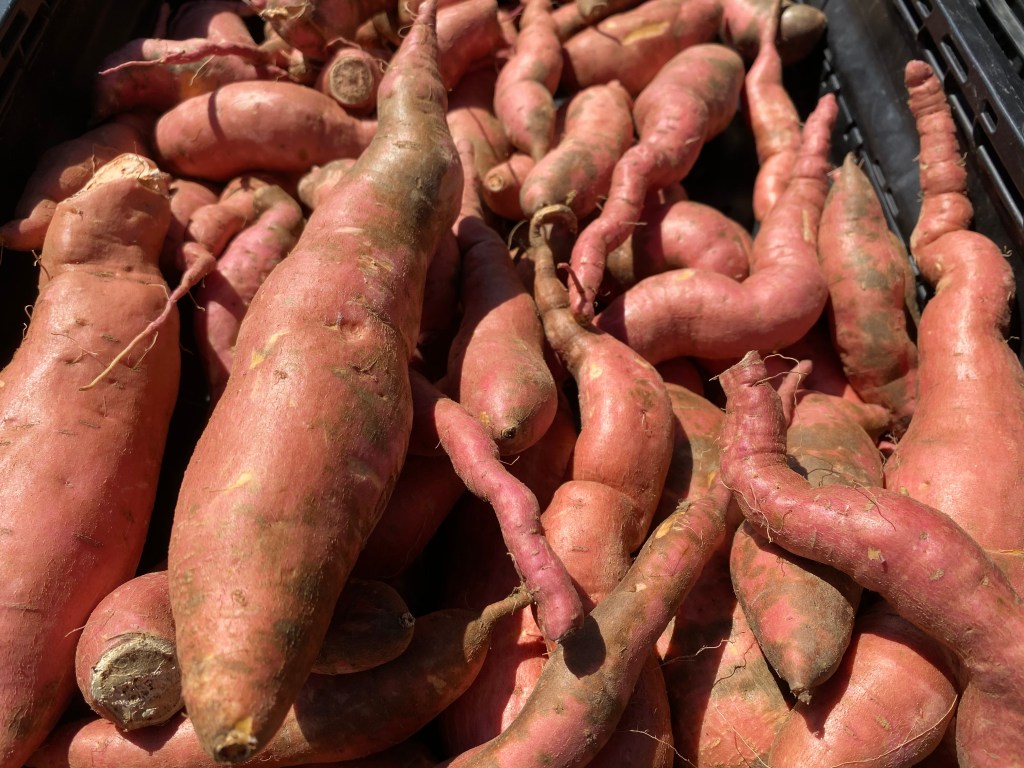
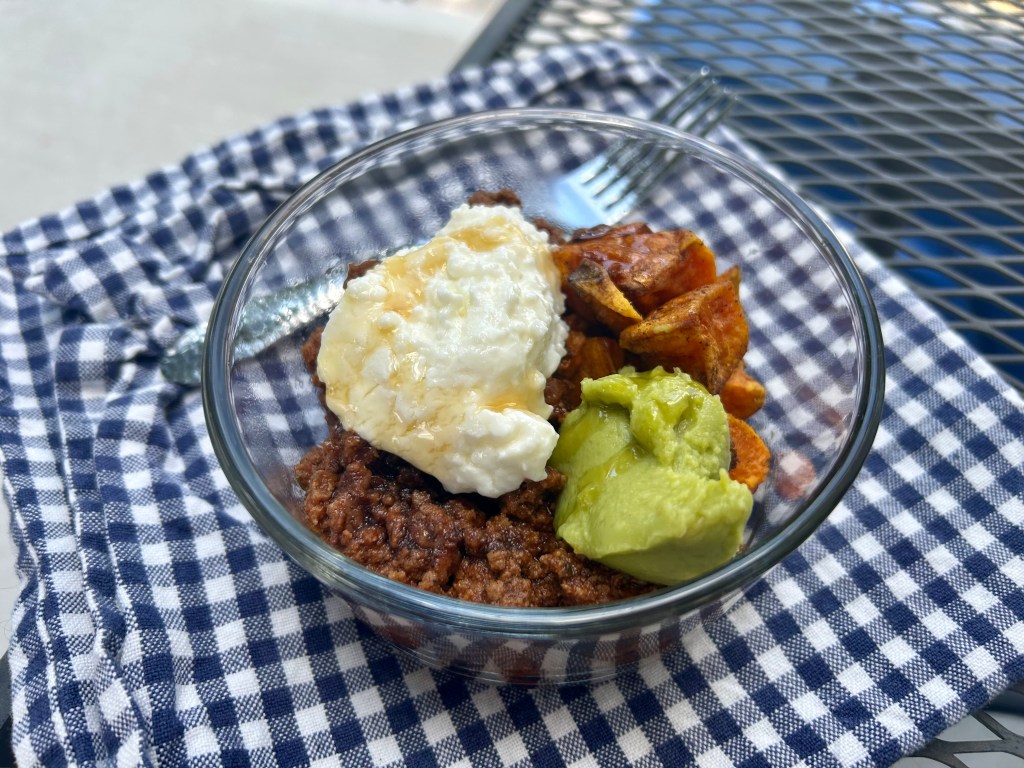
I love sweet potatoes for a lot of reasons—but mostly because they’re versatile and filling. They stay having a moment on social media too. Lately, folks are stuffing them with all kinds of cheddars into perfectly cooked sweet potato caverns. Not too long ago, it was sweet potatoes paired with cottage cheese, avocado, and hot honey for that sweet-and-savory bowl that keeps you full for hours.
You already know I love a good bowl moment. Sweet potato bowls are a regular part of my own eating routine—and if that’s your thing too, be sure to check out the post on Building Bowls That Eat Good.
And let’s be real—there’s something truly special about the moment when sweet potatoes touch the mac and cheese during holiday and celebratory meals. If you know, you know.
Sweet Potatoes in Kentucky: What’s in Season
Here in Kentucky, sweet potatoes are in season from about October through March, making them a winter produce MVP. They store well, hold up through colder months, and are available long after many other vegetables have faded for the season.
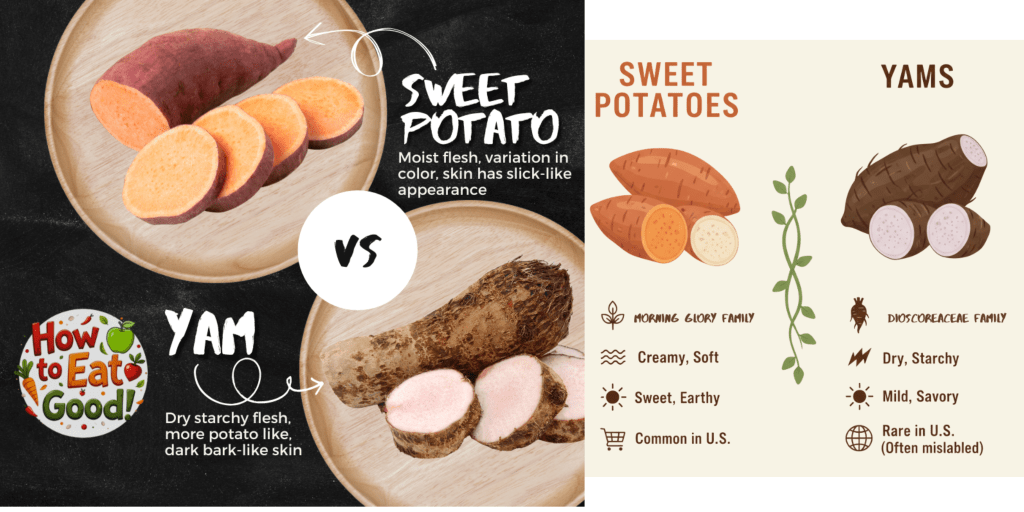
You’ll also hear people use the terms sweet potatoes and yams interchangeably—but they’re actually completely different plants from different plant families.
In the United States, firm varieties of sweet potatoes were grown first. When softer varieties were later produced commercially, there was a need to tell them apart. Our Enslaved African ancestors had already been calling the softer variety yams because they resembled the yams from their home continent. That name stuck, even though true yams are a totally different crop.
So yes—what we usually call “yams” at the store are still sweet potatoes.
Why Sweet Potatoes Eat Good
Sweet potatoes are that perfect blend of savory and sweet, which is probably why they work in so many dishes. My mom makes an incredible candied sweet potato dish—and honestly, sweet potatoes themselves already bring so much natural sweetness that you can get big flavor with less added sugar.
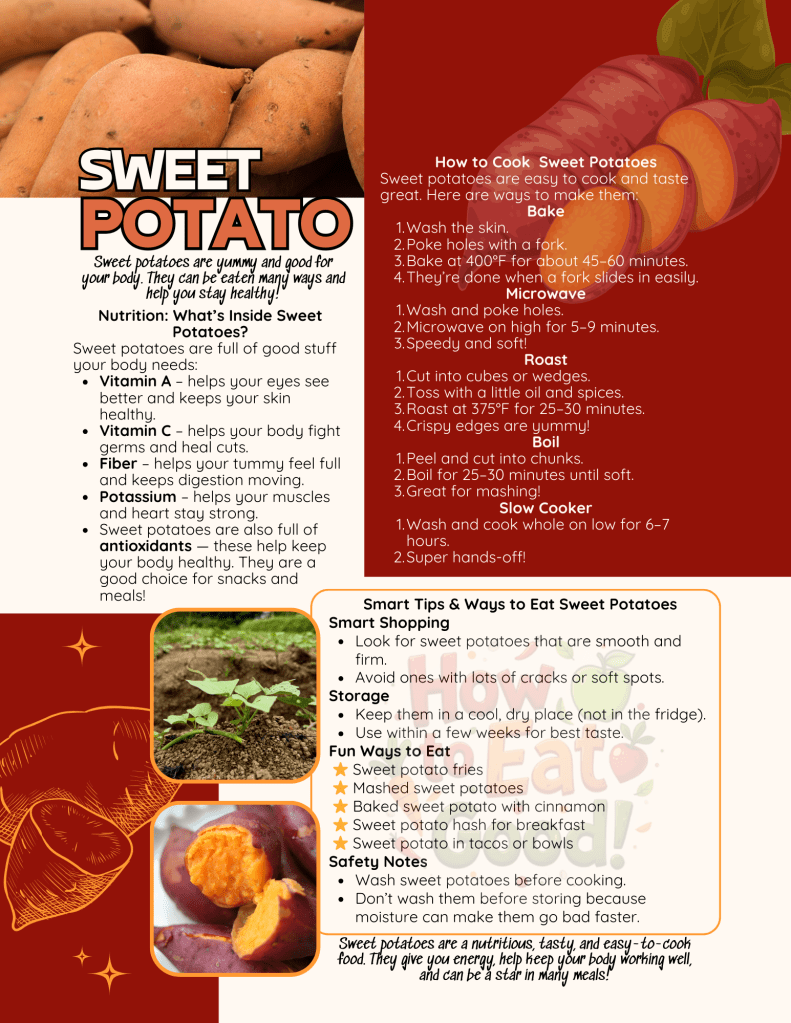
These tuberous roots are among the most nutritious vegetables out there. They’re excellent sources of vitamins A and C, both of which support immune health, vision, skin, and organ function. They’re also full of antioxidants and provide fiber and potassium—important for heart health, blood pressure, and growing bodies.
That’s a whole lot of goodness packed into one humble vegetable.
How to Choose, Store, and Prep Sweet Potatoes
Choosing:
Look for sweet potatoes that are firm with smooth skin. Skip ones with cracks, soft spots, or blemishes.
Storing:
- Store unwashed sweet potatoes in a cool, dry, dark place—55°–60°F is ideal.
- Don’t refrigerate them. Cold temperatures cause a hard core and off flavors.
- If stored properly, they can last a month or longer.
- If stored at room temperature, use within about a week.
Cleaning:
Don’t wash sweet potatoes until you’re ready to use them—moisture promotes spoilage. When ready, wash thoroughly with a vegetable brush.
Peeling & Cutting Tips:
- Hold the sweet potato in one hand and peel downward, away from your body.
- Use the tip of the peeler or a paring knife to remove any spots.
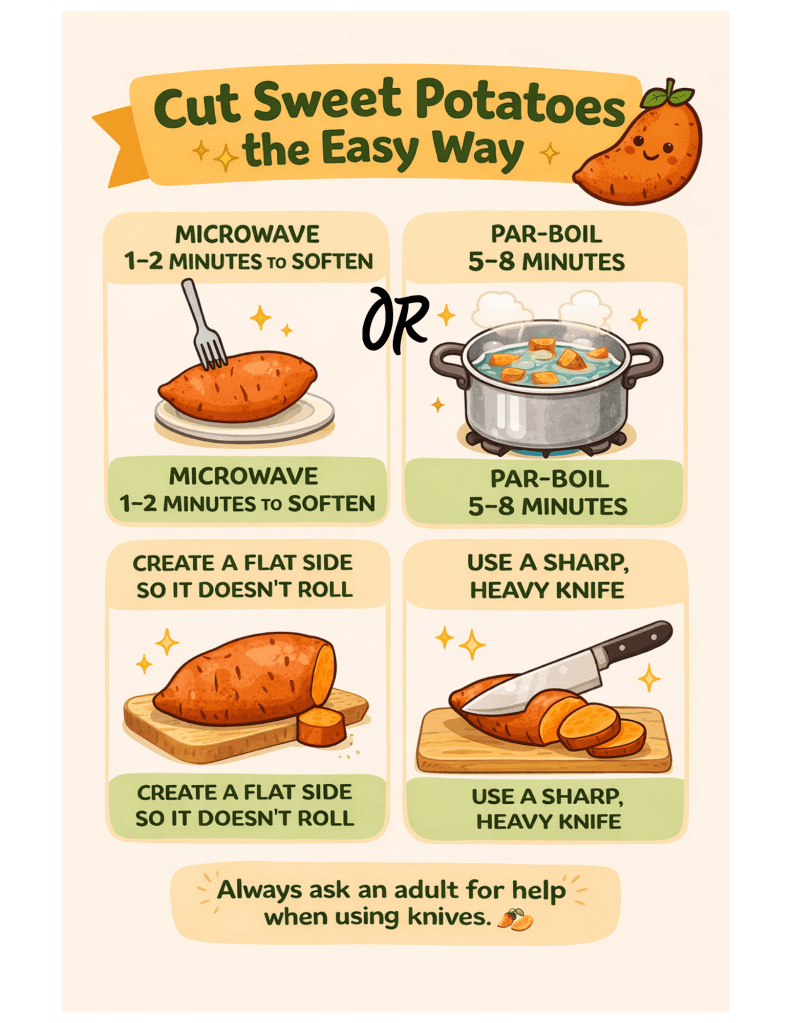
- To make raw sweet potatoes easier to cut, poke a few holes with a fork and microwave for 1–2 minutes before chopping.
Whenever possible, cook sweet potatoes whole. Many nutrients are close to the skin, and the skin comes off more easily after cooking.
So Many Ways to Cook Them
Sweet potatoes are incredibly versatile:
- Boil: Peel, chunk, and boil 25–30 minutes until tender
- Roast: Cut into wedges, toss with oil and herbs, roast at 375°F for 25–30 minutes
- Bake: Pierce with a fork, bake at 400°F for 45–60 minutes
- Microwave: Pierce and cook on HIGH for 5–9 minutes
- Slow Cooker: Cook whole on low for 6–7 hours or high for 3½–4 hours
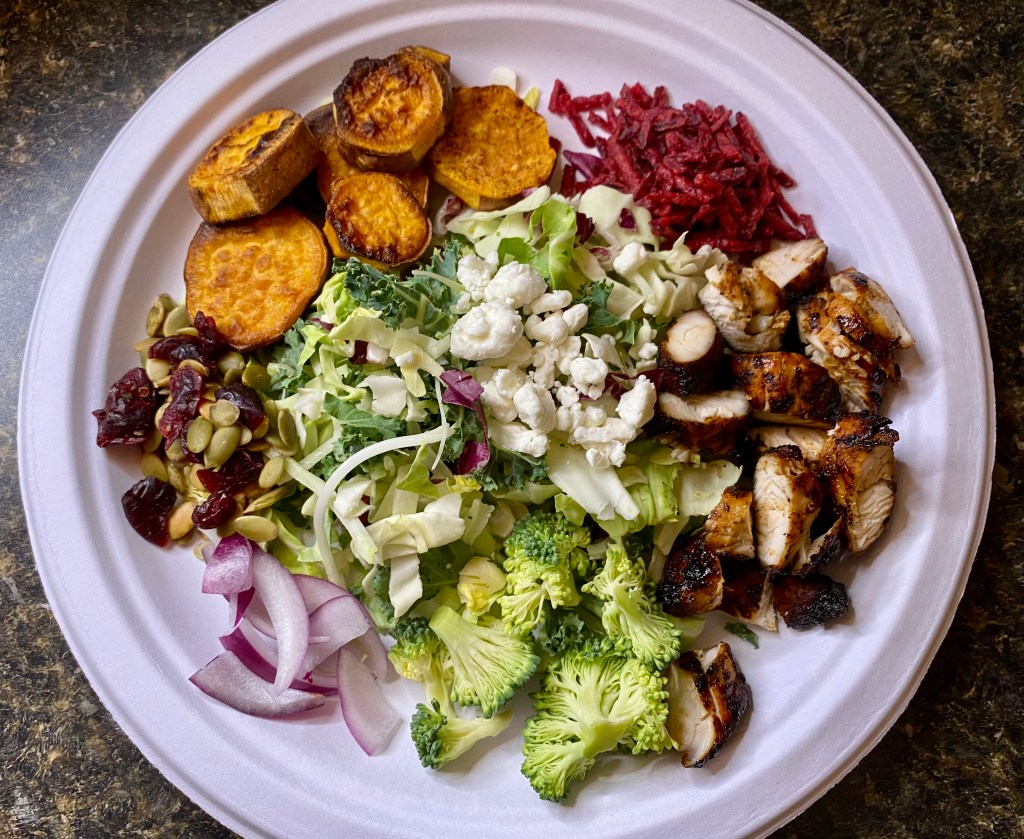
They’re great hashed on the stove, roasted into fries, baked whole, mashed, or chopped up for soups, salads, tacos, and bowls.
Sweet Potato Ideas That Eat Good
Some of my favorite ways to use them:
- Sweet Potato Nachos
- Sweet Potato Hash
- Stuffed Sweet Potatoes
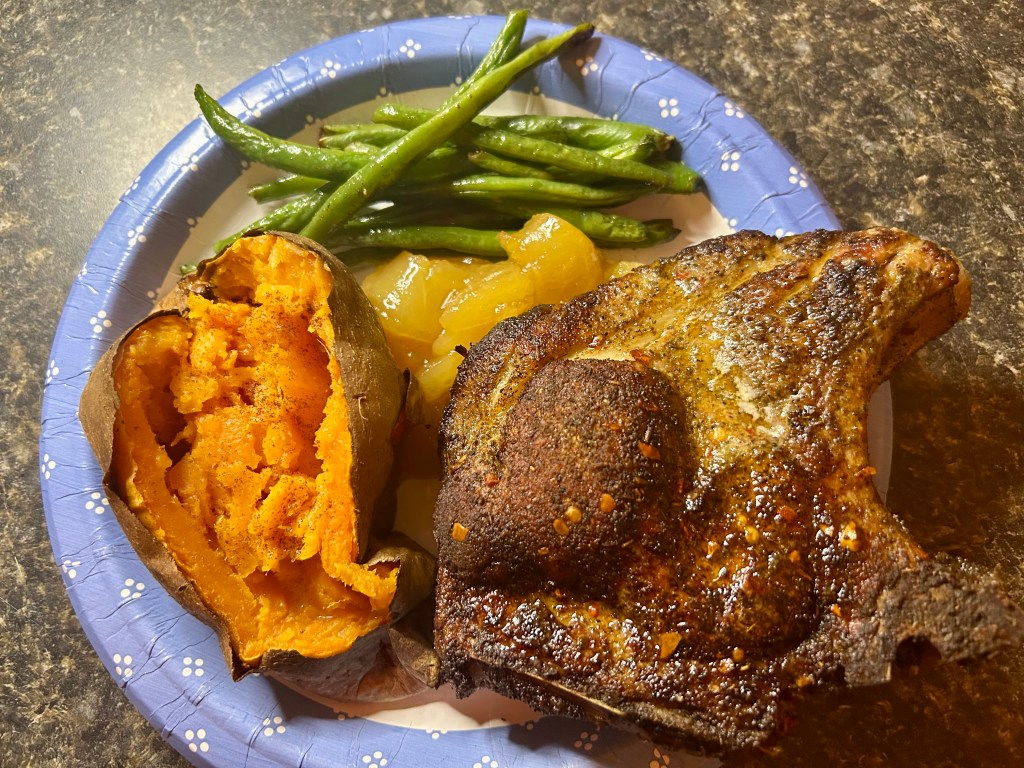
- Paired with pork chops and fried apples
Sweet potatoes don’t need much to shine—they just need a little care and creativity.
Sweet potatoes are proof that seasonal eating doesn’t have to be boring. They’re affordable, nourishing, and deeply comforting—especially in the colder months. Around here, they’re not just a side dish. They’re a staple.
And honestly? They eat real good.
References
- United States Department of Agriculture (USDA). MyPlate: Sweet Potatoes Nutrition Information. https://www.myplate.gov
- FoodData Central, USDA. Sweet Potato, Raw, Nutrition Facts. https://fdc.nal.usda.gov
- North Dakota State University Extension. FN1757: 5 Steps to Making Your Own Meal in a Bowl.
https://www.ndsu.edu/agriculture/sites/default/files/2024-08/fn1757.pdf - University of Kentucky Cooperative Extension. PlanEatMove – Nutrition and Food Safety Resources. https://www.planeatmove.com
- Extension.org. Food Storage Basics: Sweet Potatoes. https://extension.org/food-storage
- University of Illinois Extension. Food Preservation & Storage: Sweet Potatoes. https://extension.illinois.edu
- Oregon State University Extension Service. Sweet Potato Cooking Methods & Tips. https://extension.oregonstate.edu
- North Carolina Cooperative Extension. Selecting and Storing Sweet Potatoes. https://sweetpotatoesnc.com
 How to Eat Good!