
Sourdough has a way of bringing people back together. For me, it’s not just bread—it’s one of the ways my cousin and I reconnected through agriculture and food, finding common ground in something slow, living, and deeply rooted.
That’s part of why sourdough fits so naturally into How to Eat Good. It asks for patience, care, and intention—values that show up both in the kitchen and in family relationships.
What Makes Sourdough Different?
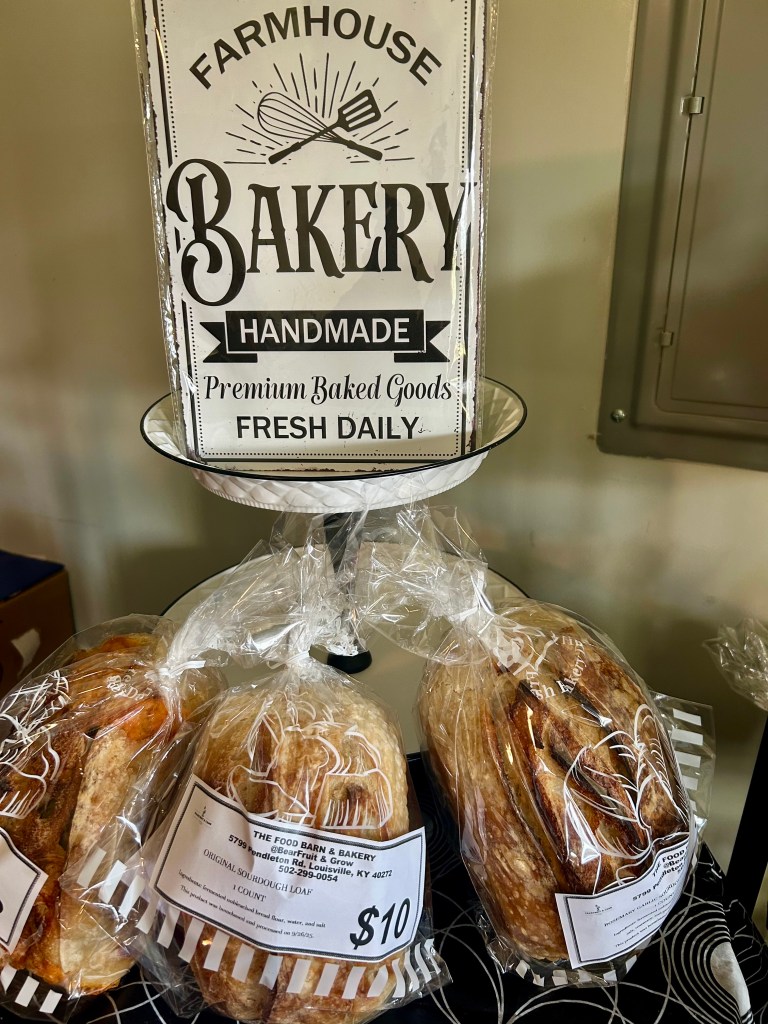
Sourdough is made with just flour, water, salt, and a starter. Instead of commercial yeast, it relies on natural fermentation—wild yeast and beneficial bacteria working over time. That slow process creates its signature tangy flavor and chewy texture, but it also brings nutritional benefits.
The starter itself is alive. It’s fed, rested, shared, and often passed down—much like the food traditions that connect families across generations.

Why Sourdough Eats Good
Thanks to fermentation, sourdough offers several advantages over many conventional breads:
- Easier digestion: Fermentation breaks down some carbohydrates and gluten, which may reduce bloating for some people.
- Better blood sugar response: Sourdough has a lower glycemic index, helping prevent sharp blood sugar spikes.
- Improved nutrient absorption: Fermentation makes minerals like iron and magnesium easier for the body to absorb.
- Gut health support: Resistant starch formed during fermentation helps feed beneficial gut bacteria.
(Note: Sourdough is not gluten-free and isn’t suitable for people with celiac disease.)
A typical slice provides about 97 calories, small amounts of fiber and protein, and contributes iron—simple nourishment that fits into everyday eating.
Choosing Sourdough That Eats Good
Homemade sourdough is wonderful, but eating good is about access, not perfection. When buying sourdough:
- Look for breads made with a starter or natural culture
- Choose whole-grain flours when possible
- Check sodium levels, especially if you’re watching salt intake
Food, Family, and Coming Back Together
Sourdough reminds us that food doesn’t have to be fast to be meaningful. For my cousin and me, it became a way back into conversation—through agriculture, shared curiosity, and a love of feeding people well.
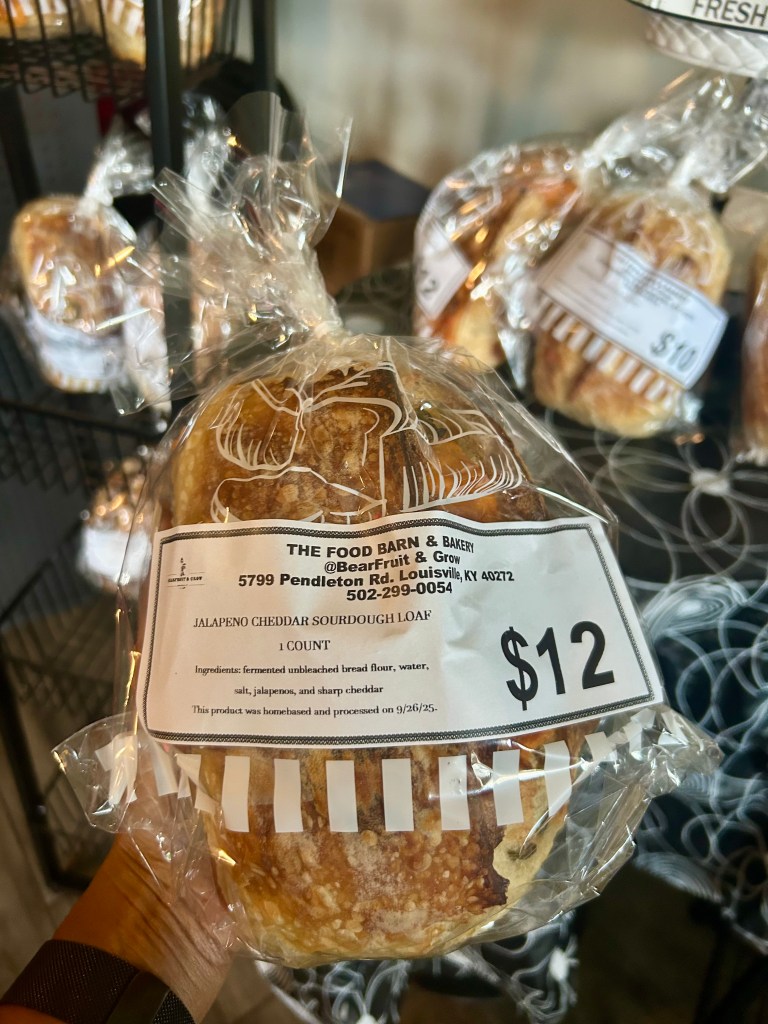
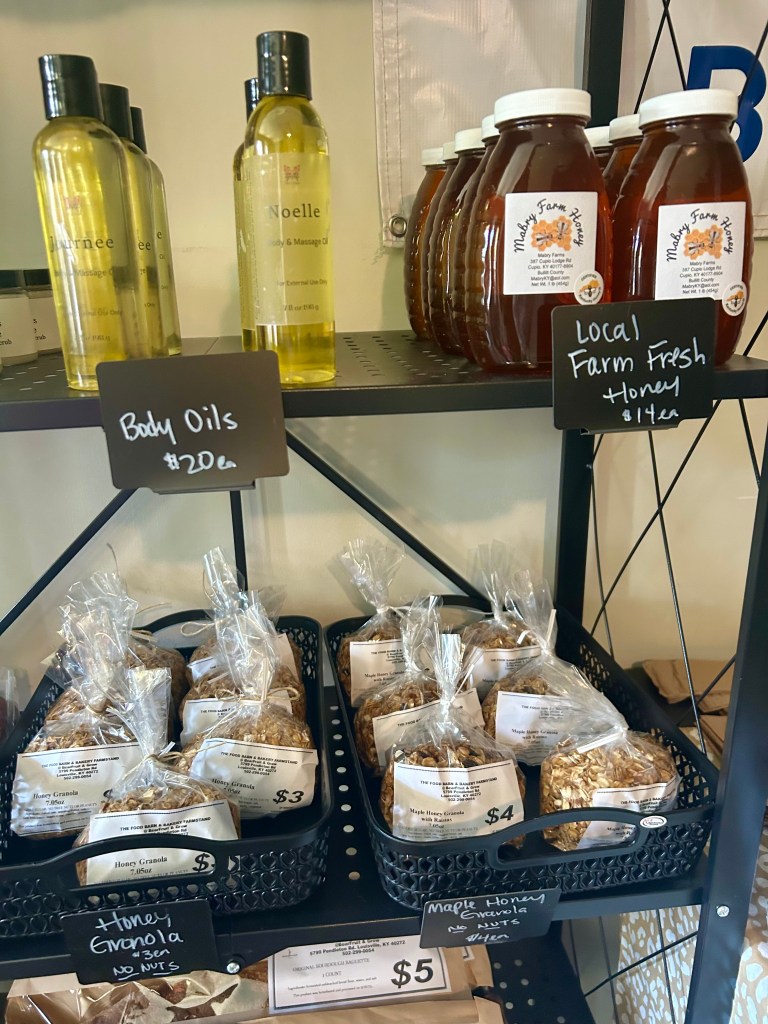
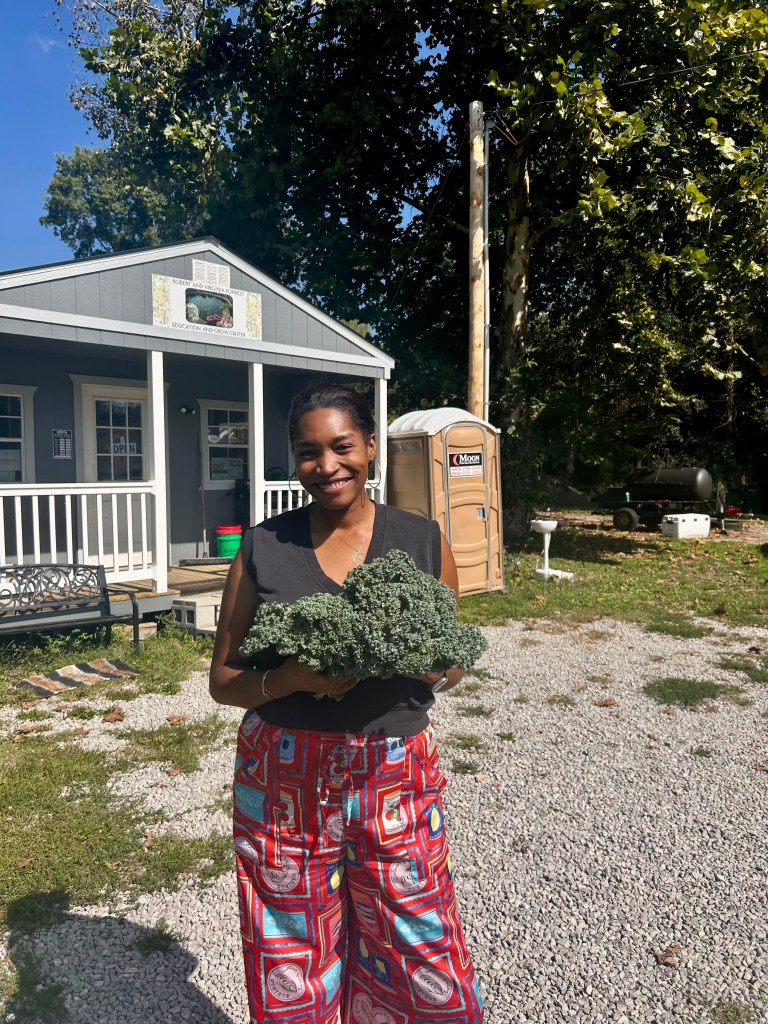
And honestly, that’s part of what I love most about sourdough—it connects people. If you’re in the Jefferson County, KY area, you can experience that connection firsthand by picking up fresh, thoughtfully made sourdough from Bearfruit and Grow Farm Stand (see their website and Facebook for hours and details). It’s the kind of bread that reflects care for the land, the process, and the people being fed.
That’s what How to Eat Good is really about: food that nourishes the body, honors tradition, and keeps us connected—to the land and to each other.

References
- Escoffier School of Culinary Arts. How to Make Sourdough Bread.
- King Arthur Baking Company. Sourdough Guide.
- Poutanen, K. et al. (2023). Health effects of sourdough fermentation. Nutrients.
- WebMD. (2025). Is Sourdough Bread Healthier Than Regular Bread?
 How to Eat Good!