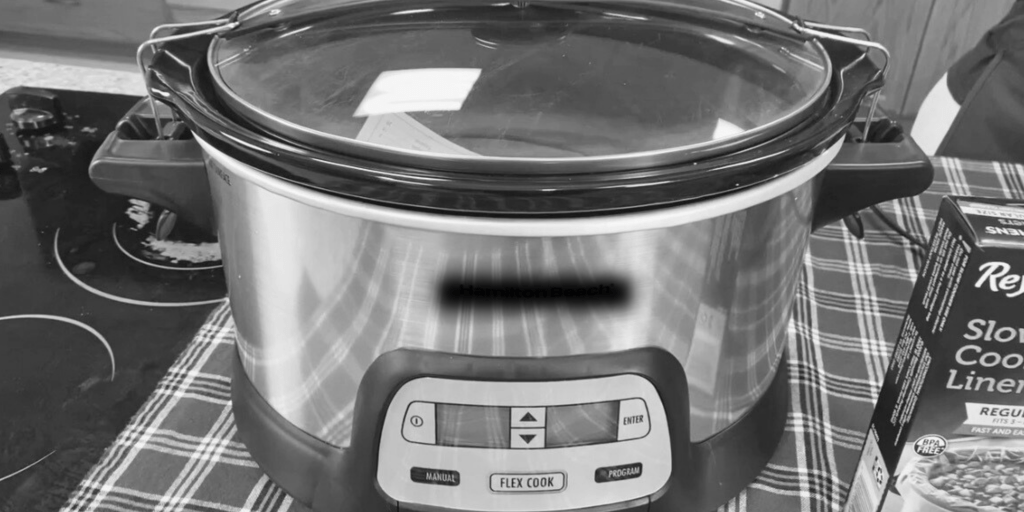
There’s nothing better than coming home to a warm meal that’s been simmering all day. Whether you call it a slow cooker or a crock pot, this handy kitchen appliance saves time, energy, and stress, but success depends on knowing a few key rules of the road.
Slow cookers work by heating foods slowly and evenly, allowing flavors to develop while keeping your kitchen cool. But because cooking happens at lower temperatures, food safety and proper handling are critical.
Getting Started
Slow cookers “create” their own liquid as foods heat up — so remember, you don’t need to add as much water or broth as you might in a stovetop recipe. Most dishes should fill your cooker about ½ to ¾ full for best results.
Here are some basic operating tips:
- To avoid cracking, put cold foods in a cold slow cooker, and hot foods in a preheated one.
- Keep the lid on. Each time you lift the lid, it can take 20–30 minutes for the temperature to recover.
- Spray the inside with cooking spray or use a slow cooker liner for easier cleanup.
- Always follow the manufacturer’s directions for your specific model.
Adapting Recipes for the Slow Cooker
Most of your favorite soups, stews, or casseroles can be adapted for slow cooking — just make a few adjustments:
- Reduce liquids by half. Slow cookers trap steam and moisture, so recipes don’t need as much water or broth.
- Add pasta and dairy near the end. Pasta can turn mushy, and milk or cheese may curdle if cooked too long. Add these during the final hour of cooking.
- Layer ingredients properly. Dense vegetables like potatoes and carrots should go on the bottom since they take longer to cook than meat.
- Adjust cooking time.
| Original Recipe Time | Cook on LOW | Cook on HIGH |
|---|---|---|
| 15–30 minutes | 4–6 hours | 1½–2½ hours |
| 35–45 minutes | 6–10 hours | 3–4 hours |
| 50 minutes–3 hours | 8–18 hours | 4–6 hours |
Food Safety First
Slow cooking is safe — as long as the foods reach the proper temperature. Pathogens that cause foodborne illness grow quickly in the “danger zone” between 40°F and 140°F. Modern slow cookers are designed to pass through this zone quickly and cook foods thoroughly, but a few precautions can help keep your meals safe:
- Start with thawed ingredients. Never place frozen meat or poultry directly into the slow cooker.
- Prepare ingredients safely. Wash hands, utensils, and work surfaces before cooking.
- Refrigerate ingredients if prepping the night before. Combine them in the slow cooker just before turning it on.
- Never store or reheat food in the slow cooker. Reheat leftovers on the stove, in the oven, or in the microwave until they reach 165°F.
- Keep the lid on as much as possible to maintain safe cooking temperatures.
- Test your slow cooker. Once a year, fill it halfway with water and heat on LOW for 8 hours. The water should reach at least 185°F — if it doesn’t, the unit may not be safe to use.
Handling Leftovers
Leftovers should be cooled and refrigerated within two hours after cooking. Store in shallow, covered containers for faster cooling.
To serve leftovers, reheat on the stove or in the microwave to at least 165°F before eating. If keeping food hot for serving, preheat your slow cooker and ensure contents stay above 140°F.
Slow Cooker Benefits
Slow cookers are ideal for busy families, allowing you to prepare meals in the morning and come home to dinner ready to serve. Choose high-moisture dishes like soups, stews, beans, and lean meats — they cook evenly, stay tender, and make great use of inexpensive ingredients.
Learn More from these References
- PlanEatMove.com University of Kentucky Cooperative Extension Service resources for healthy recipes and food safety tips
- USDA Food Safety and Inspection Service – Slow Cookers and Food Safety
- Colorado State University Extension – Crockpot and Slow Cooker Food Safety
- Michigan State University Extension – Cooking Safely with a Slow Cooker
- Montana State University Extension – Cooking with a Slow Cooker Fact Sheet
 How to Eat Good!